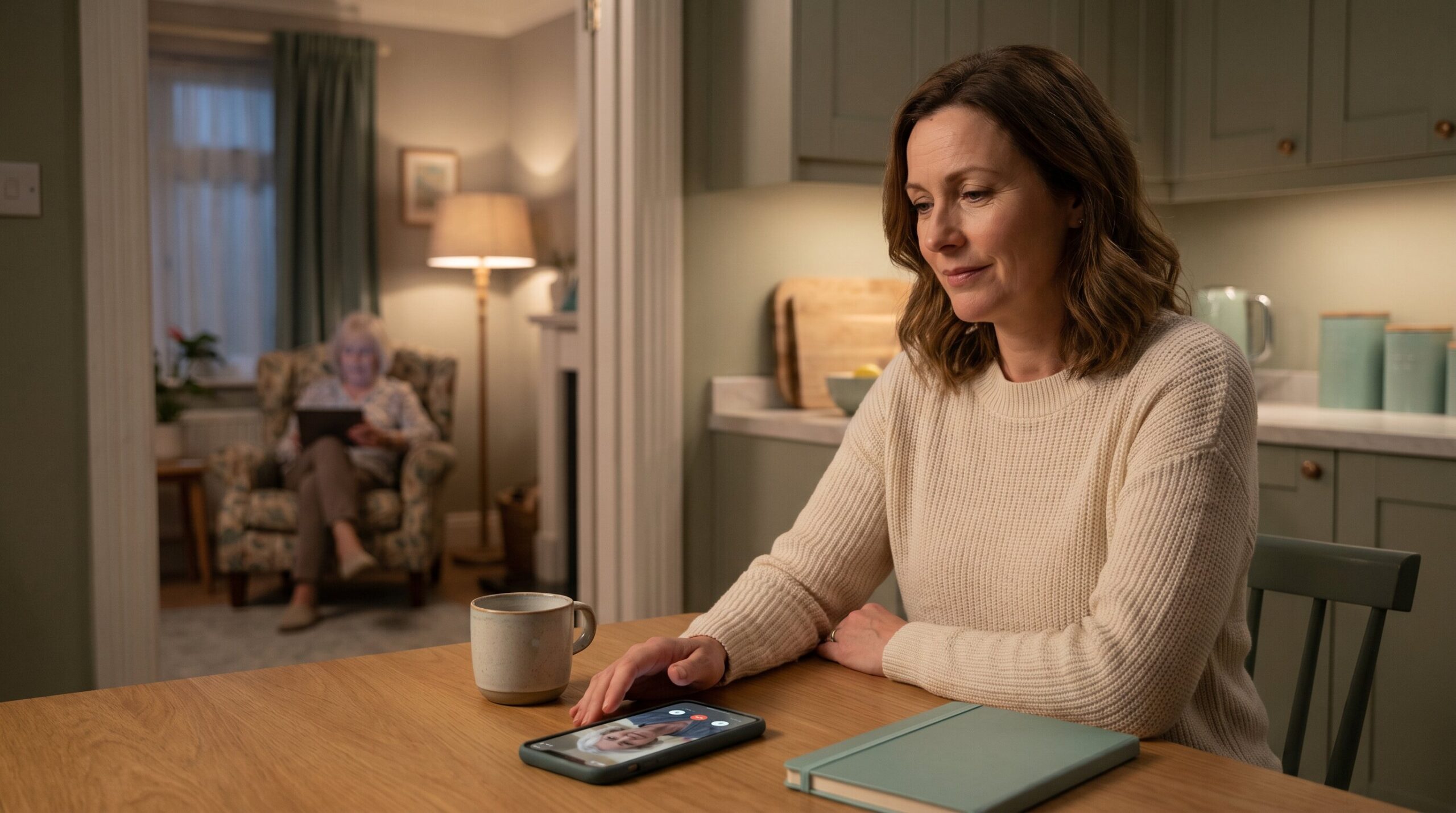

How is Mom, today?
Stay independent at home and connected to the people who care.
Call now to get started
1 866 968 8498Inside LiLoHome™
Best-in-class sensors and smart hardware, selected per category and integrated on the LiLoHome™ hub. Nothing is worn, nothing is carried, and nothing needs to be operated.

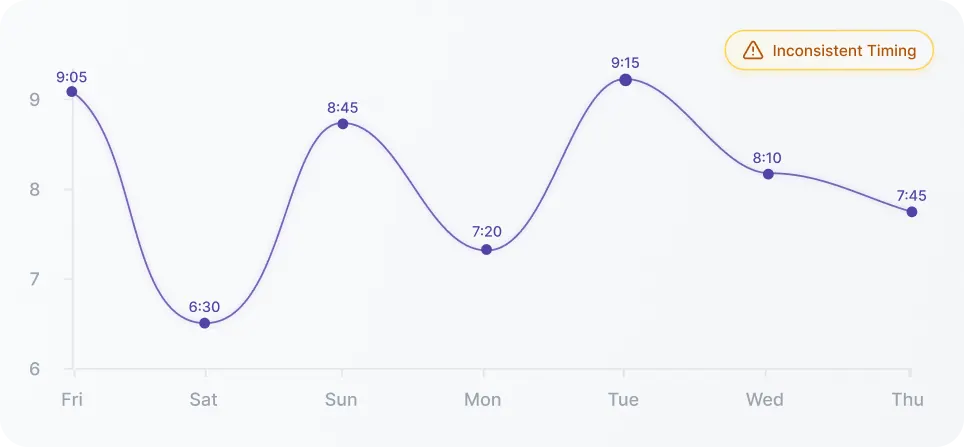
- SleepHow the night actually went, including sleep quality, breathing and heart rate.
- MovementMovement and presence through the home.
- Kitchen ActivityKitchen activity throughout the day.
- DoorsComings and goings at the door, including the quiet overnight hours.
- HygieneBathroom and personal care activity, and shifts in routine over time.
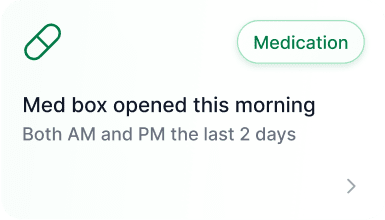
- Medication Reminders Reminders at medication times, and a note when the area is used.
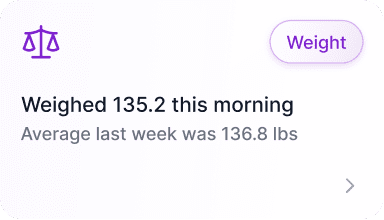
- WeightWeight recorded over time, trends shown at a glance.
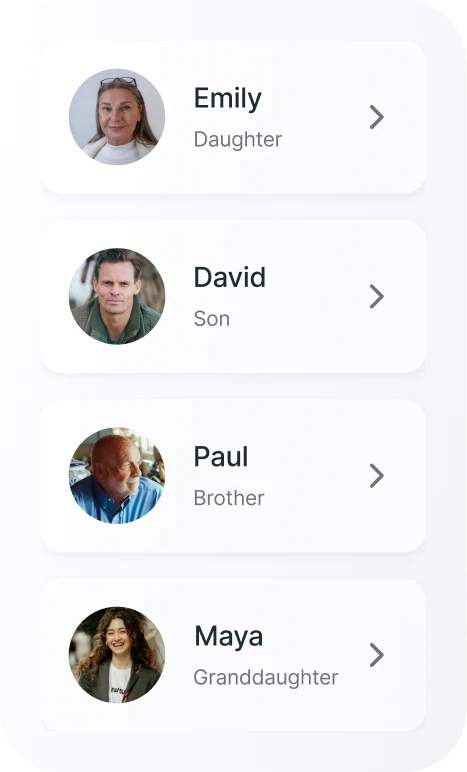
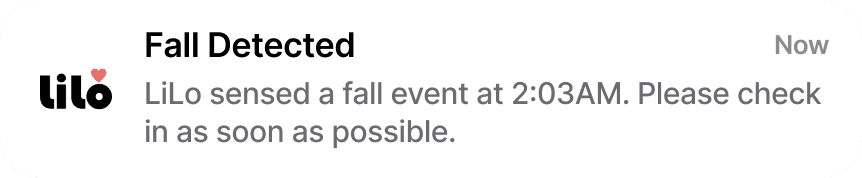
- AlertsChosen by you to keep you in the loop.

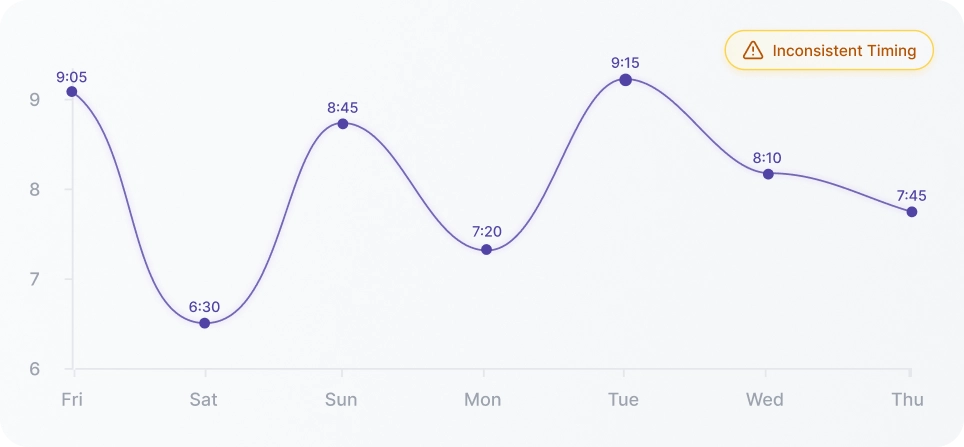
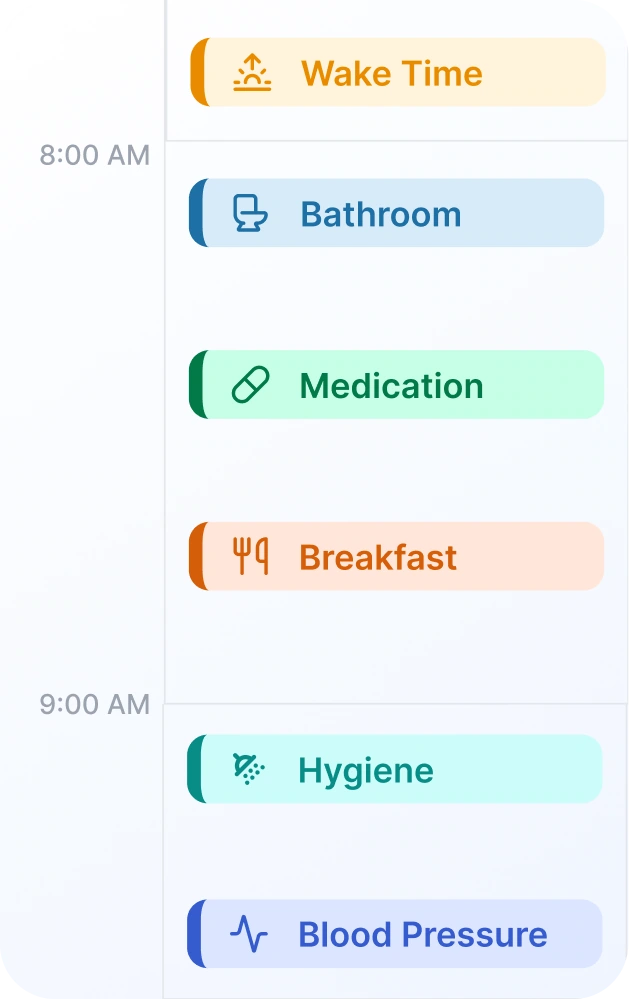
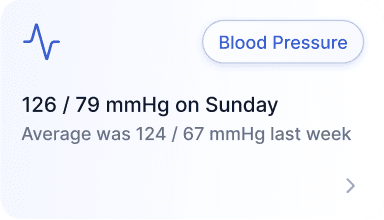
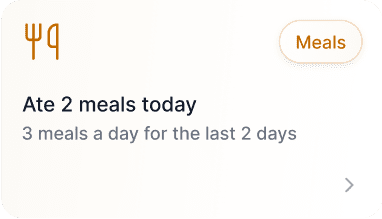





LiLoCare™
LiLo in your organization
Awareness that works beautifully in one home becomes unmanageable across dozens unless somebody builds the layer above it. LiLoCare™ is that layer: one sign-in, in a browser, with every LiLoHome™ Resident who has granted your organization access on the other side of it.

 ResidentsEveryone your team supports, with those who have granted access kept apart from those who have not.
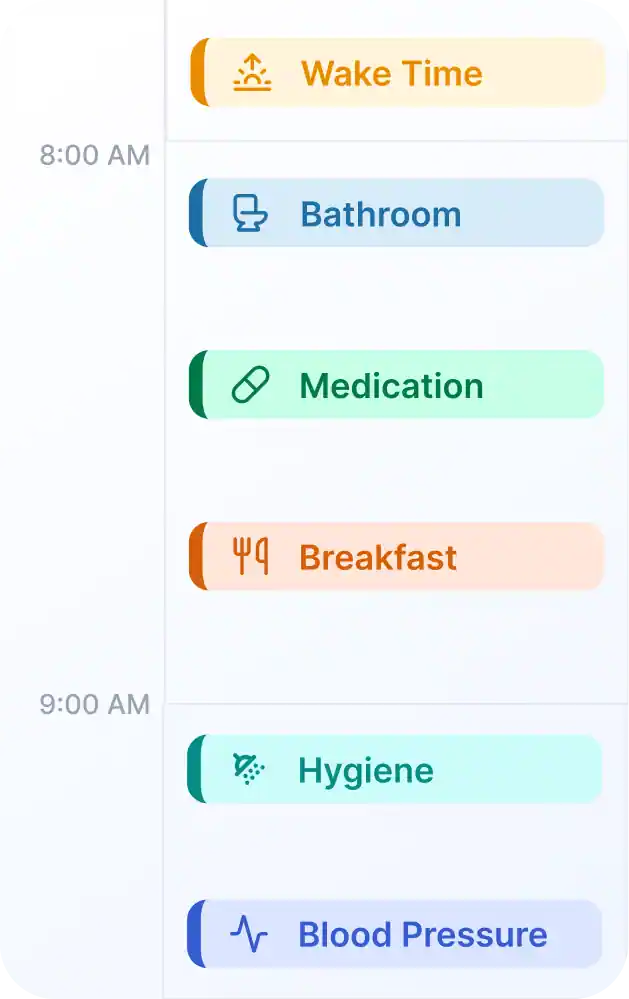
- Resident viewOne day in one screen, led by plain language rather than a score.
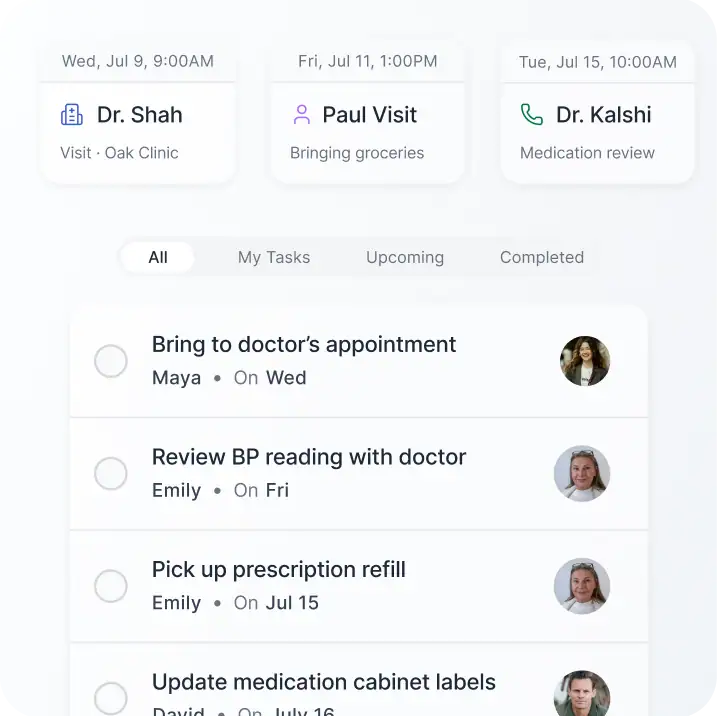
- AttentionWhat needs a response right now, across everyone you support.
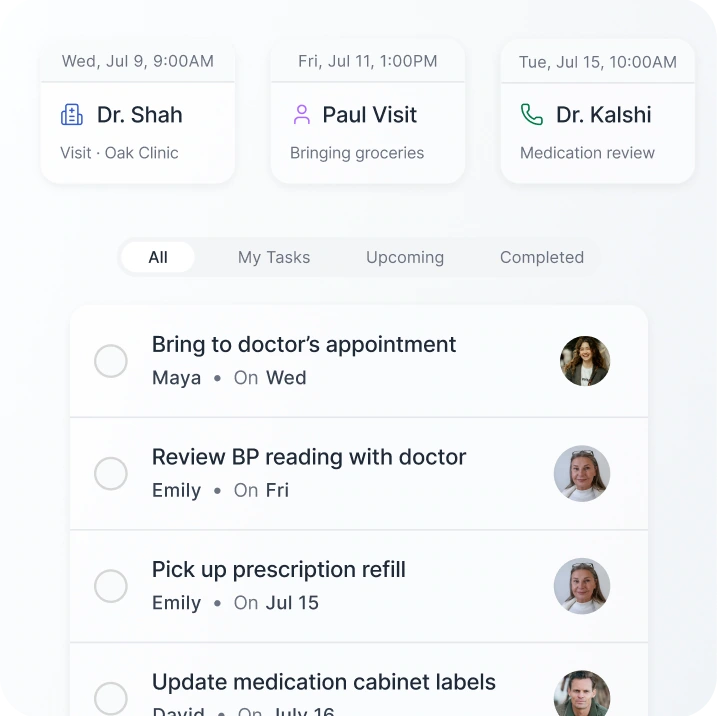
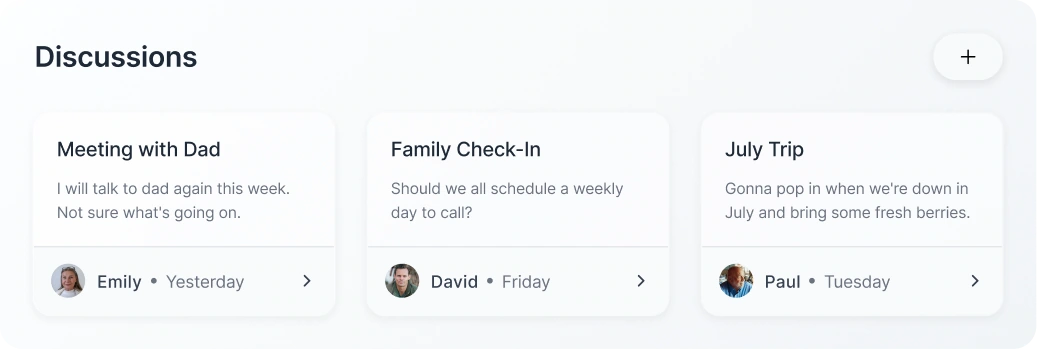
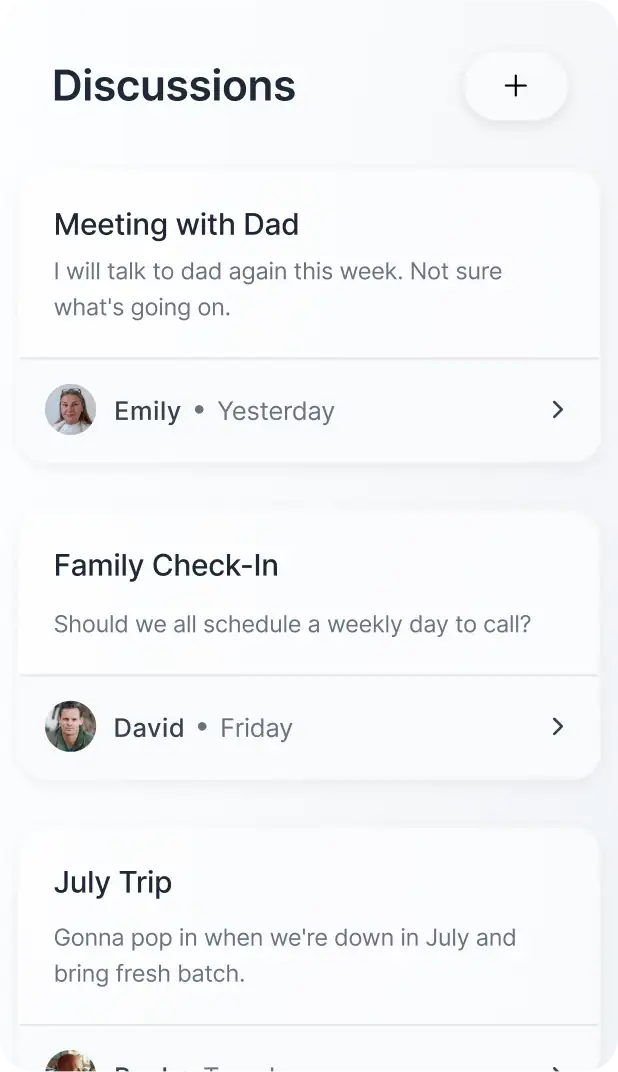
- NotesStaff write what they saw, families write what the team should know.
- MembersStaff accounts and what each one can open, granted and revoked by you.


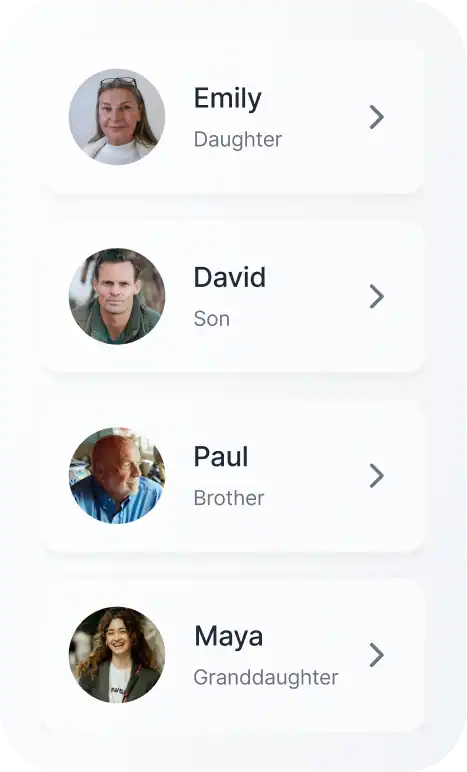
The screens shown are an example. Alderbrook is not a real community, and no organization or Resident is identified.